GALÁPAGOS
Hard times, new beaks
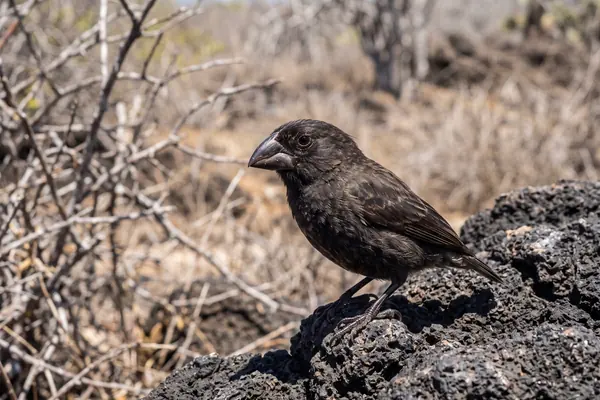
On the island of Daphne Major, medium ground finches changed in body size and beak traits several times between 1972 and 2001 as food supplies rose and fell.
What shapes a beak doodlebills
Start
WHAT THE RESEARCH SHOWS
Bills are the textbook case of evolution.
Darwin's finches made the beak the classic example of a tool shaped by food. Long field studies and museum measurements now show a fuller picture: food matters, but so do body size, genes and even our garden feeders.
FOOD, SIZEand a few big genes
What shapes a beakKeep in mind
THE SHORT ANSWER
Three lines of research, three different lessons.
Together they explain more than any one alone.
GALÁPAGOS
On the island of Daphne Major, medium ground finches changed in body size and beak traits several times between 1972 and 2001 as food supplies rose and fell.
What shapes a beakBRITISH GARDENS
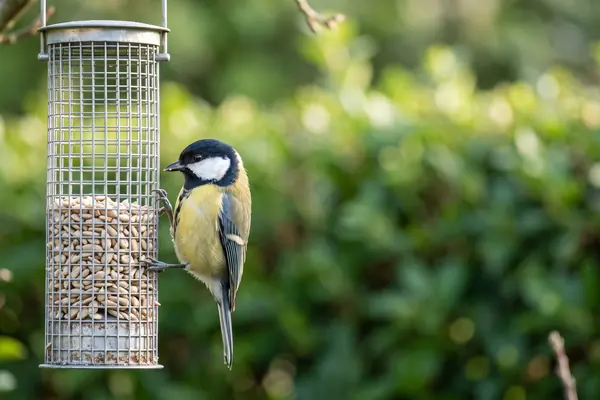
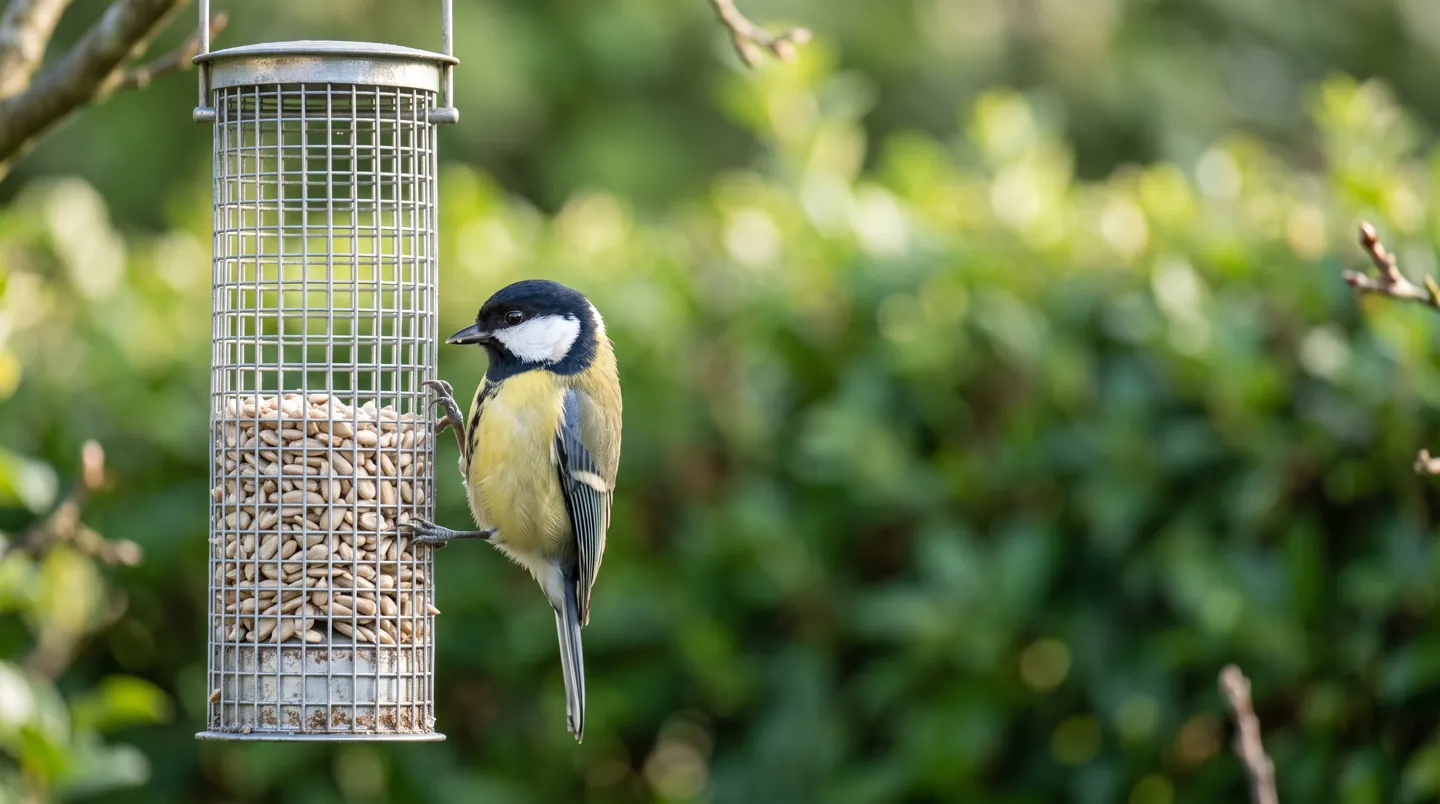
UK great tits' beaks got longer between the 1970s and today, and birds carrying long-beak gene variants visited feeders more. Researchers suggest feeders may be the reason.
See the numbersBIRDS OF PREY
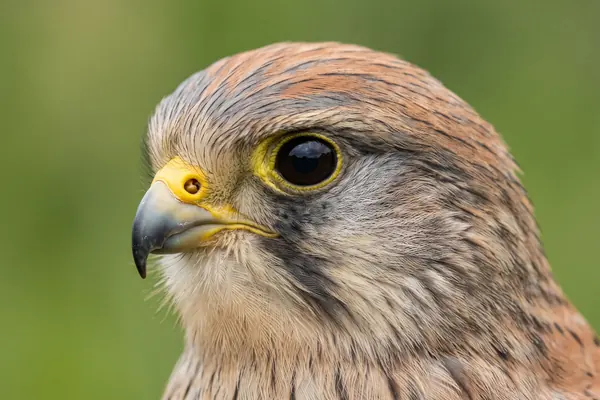
In raptors, body size and how tightly beak and skull grow together explained almost 80% of shape differences between species, more than diet did.
Why it mattersWHAT SHAPES A BEAK?
Choose one of the forces researchers have studied to see what they found. The bar shows how strong its effect on beak shape or size was in that study.
Each answer summarises one published study; the bar is our plain-English reading of how strong the reported effect was.
TWO NUMBERS WORTH KNOWING
One figure from birds of prey,
one from great tits in Britain and the Netherlands.
≈ 80%
Shape differences explained by size and integration
Measuring the skulls of birds of prey, researchers found size and the integration of beak and skull accounted for almost 80% of shape variation between species, leaving little room for diet alone.
RAPTORS · PNAS 2016
3,000+ birds
Birds whose DNA was screened
The team screened DNA from more than 3,000 great tits in Wytham Woods, Oxfordshire, and two Dutch sites, and linked gene differences to longer beaks in British birds.
GREAT TITS · SCIENCE 2017
Oxford researchers have studied the Wytham Woods great tits for 70 years, which is why the team could show British beaks lengthening from the 1970s to today.
FOUR THINGS TO WATCH FOR
You do not need callipers to see the ideas at work. Watch how different birds handle the same food on a feeder or bird table.
Step 1
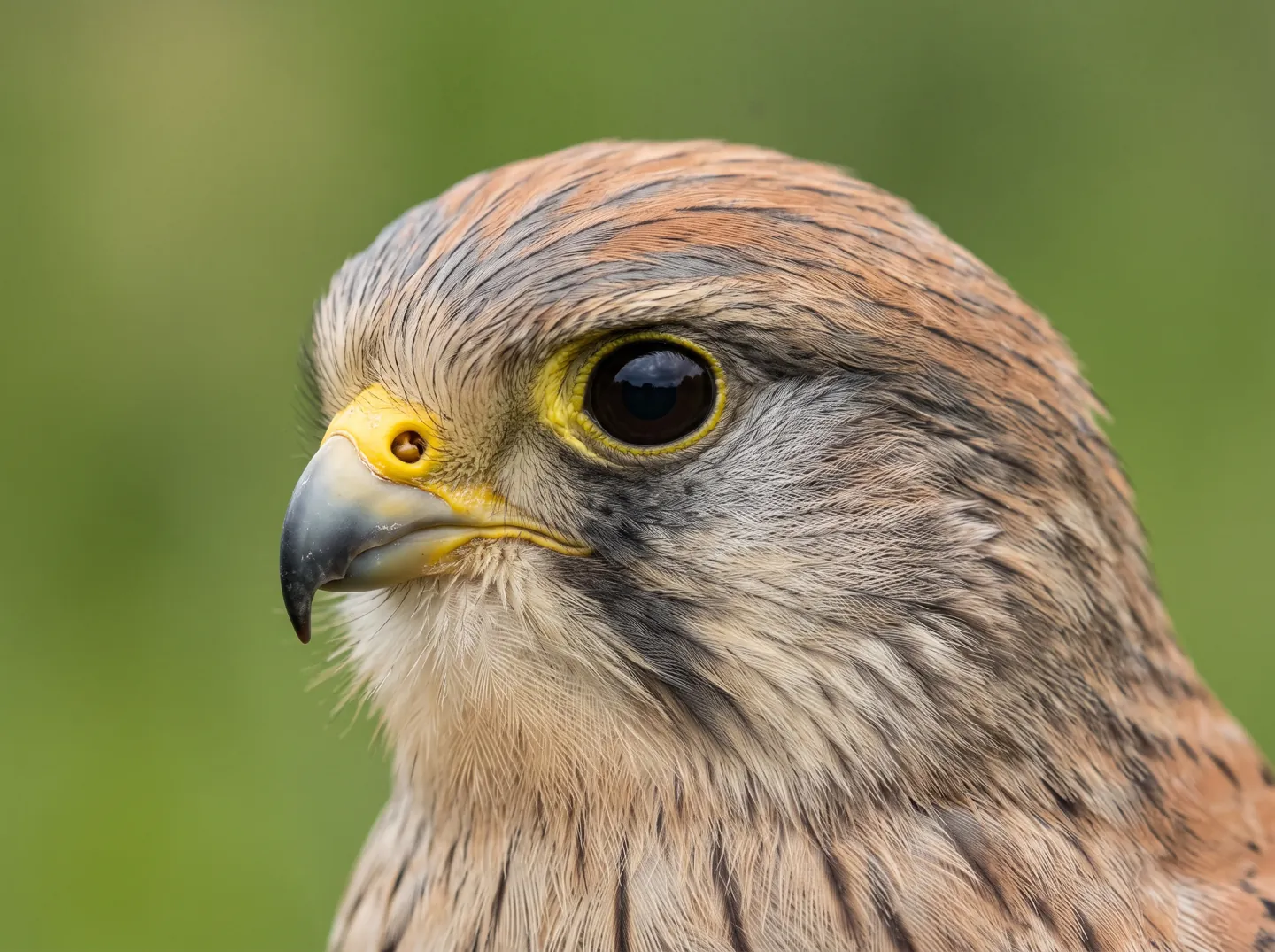
Research on raptors found size explained much of the difference between species. Notice how bigger birds' bills scale with their heads.
Step 2
In Wytham Woods, great tits with long-beak gene variants were more frequent visitors to feeders. Some birds use them far more than others.
Step 3
Bristol researchers point out birds use the beak for almost everything, not just eating. Look for preening, nest building and carrying.
Step 4
The great tit change took decades of measurement. Single seasons show variation between birds, not evolution.
WHY IT MATTERS
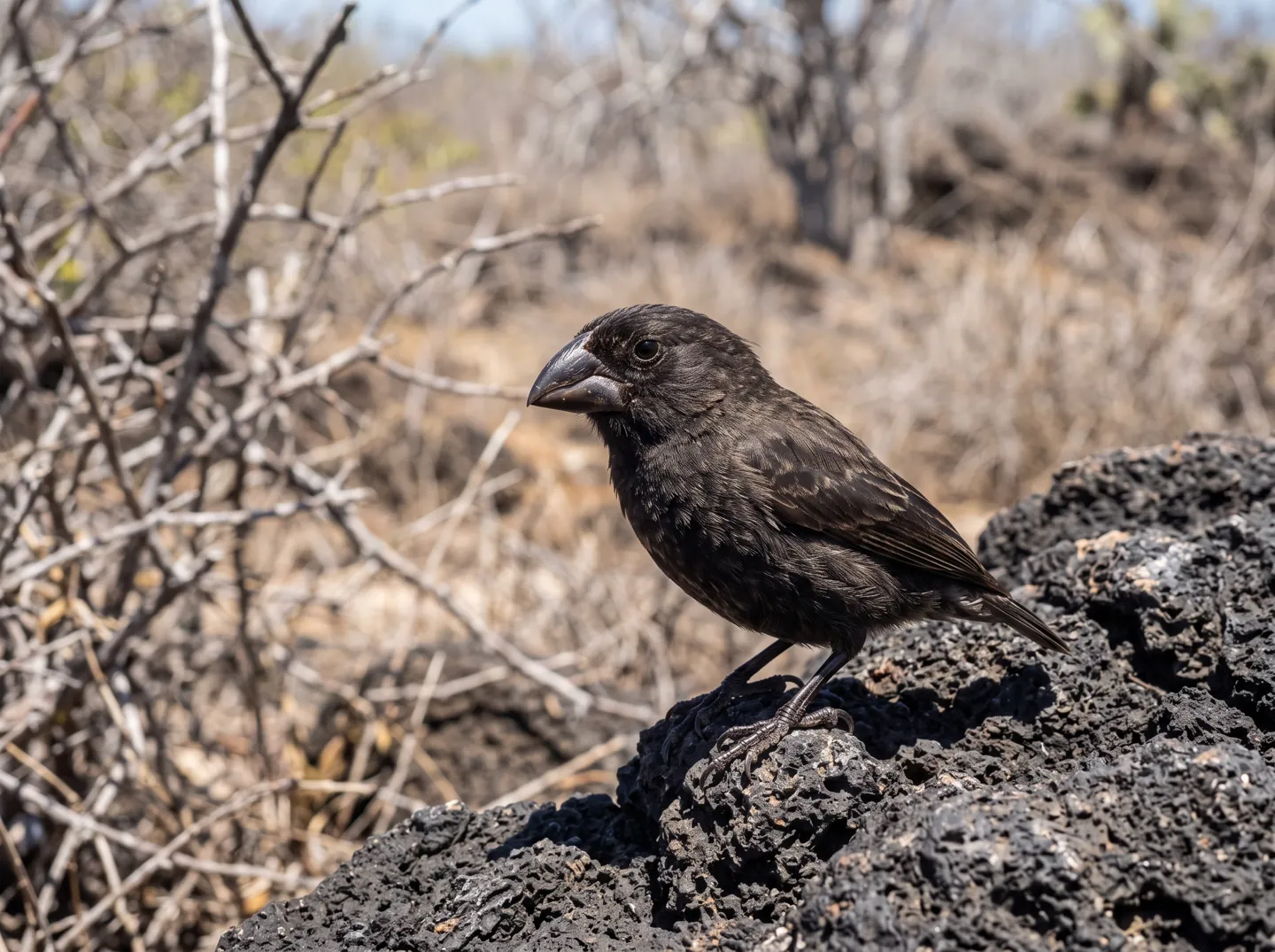
The idea that each Galápagos finch's beak suits its food was central to the theory of evolution by natural selection, and it holds up on Daphne Major. Across all birds, though, beak shape predicts diet less well than once assumed.
That matters for fossils too. The Bristol team warns that the ecology of ancient birds should not be guessed from beak shape alone, because birds use their bills for many tasks besides feeding.
Questions
For decades. Oxford researchers have studied the Wytham Woods great tits for 70 years, and the Grants followed Daphne Major's finches from 1972 to 2001 and beyond.
Yes, in measurable ways. Peter and Rosemary Grant recorded changes in body size and two beak traits in Daphne Major finches several times between 1972 and 2001.
Possibly. UK great tits evolved longer beaks than Dutch ones since the 1970s, and long-beak variants were linked to more feeder use. Researchers say they cannot say definitively that feeders are responsible.
Only partly. A 2019 study across many bird groups found the link between beak shape and feeding was much weaker and more complex than expected.
Many genes are involved, but a region containing the HMGA2 gene varies with beak size among Darwin's finch species and was under strong selection during a drought.
Destination
Updated
ABOUT THIS NAME
doodlebills.com is part of the DoodleSale portfolio. It isn't in an auction right now, but you can ask about leasing it.